2025
Clix Social
Product / UI design / UX collaboration
Lead UX/UI Designer
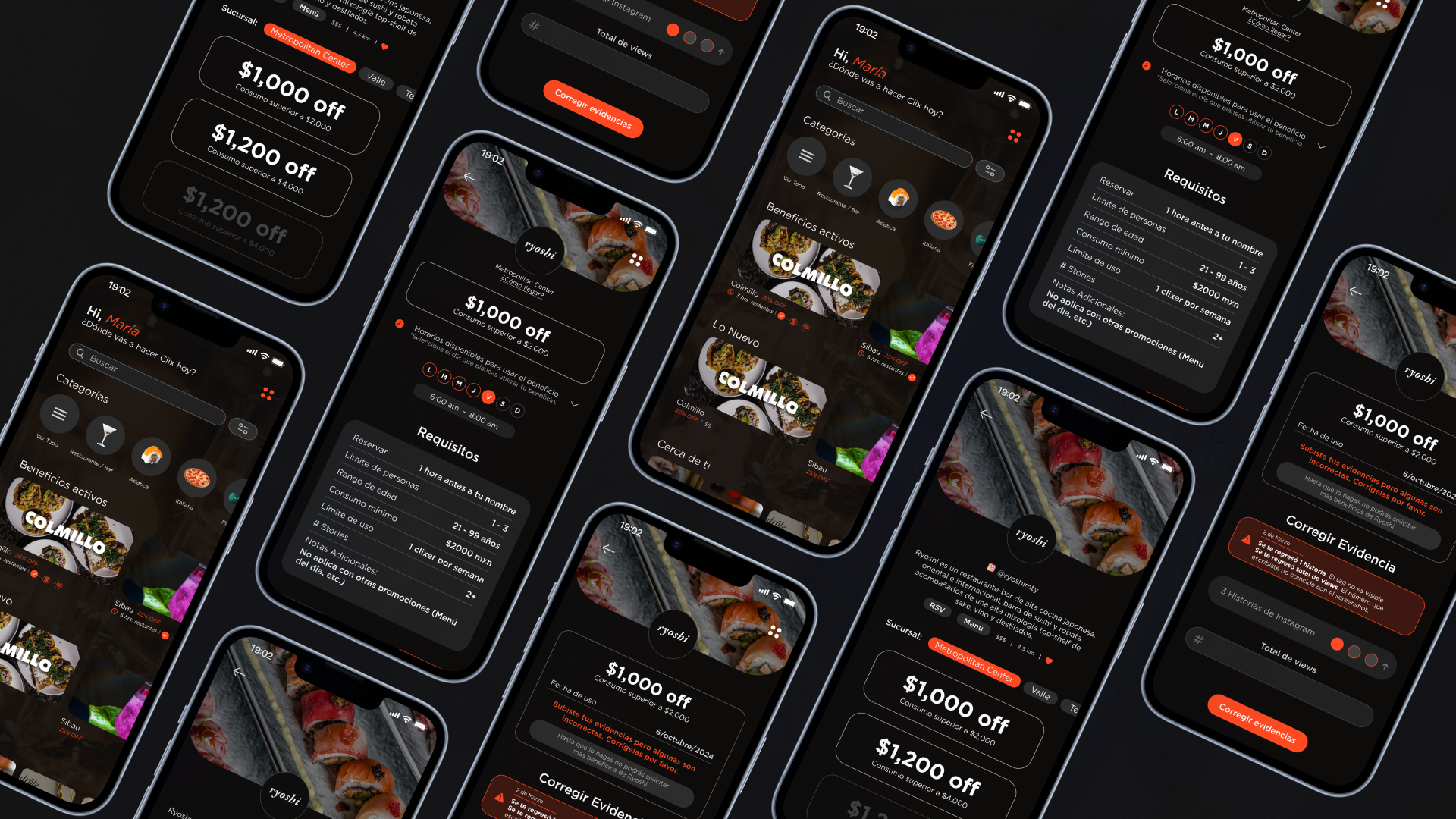
Clix is a social rewards platform that connects users and brands through meaningful digital engagement. The app encourages users to share branded content in exchange for real-world benefits, aiming to transform traditional advertising into authentic, word-of-mouth promotion.
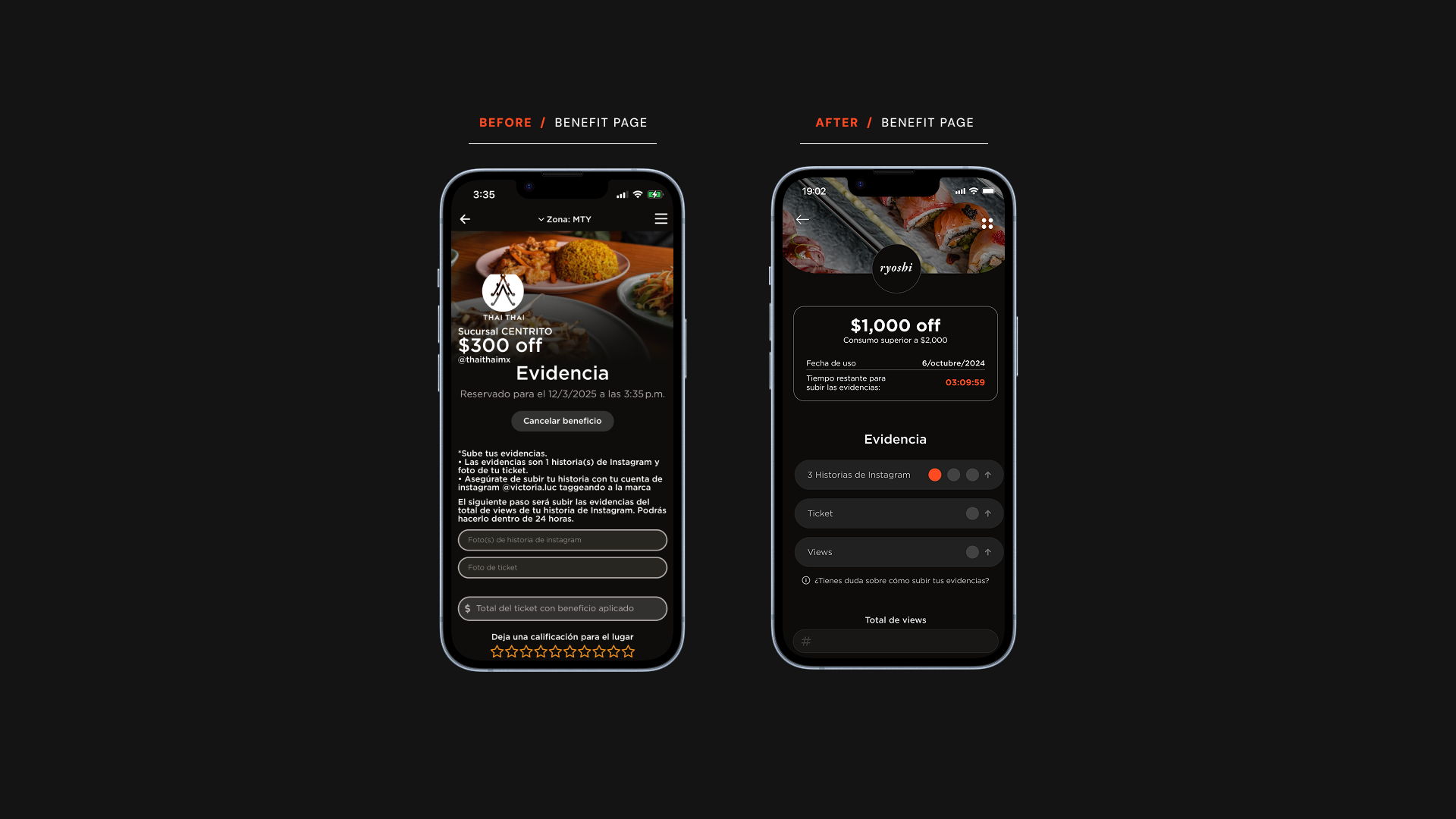
This project focused on redesigning the entire app experience and redefining its growth strategy. While the core concept was solid, usability issues, unclear expectations, and friction during key moments of the user journey were limiting retention and benefit completion. The goal was to create a clearer, more trustworthy experience and align the business model with the motivations of both users and brands.
Redesign and optimize the user experience to improve clarity, confidence, and retention, while establishing a scalable foundation for future growth initiatives through UX, service design, and growth strategies.
Led research, user journey mapping, and the app redesign in Figma; collaborated closely with developers during the React Native implementation; and co-defined growth initiatives and visual systems to support long-term scalability.
24,343 registered users
20,518 accepted users (84% acceptance rate)
1,964 active users (June 2024)
751 brands registered historically
152 active brands
68 paying brands (monthly plans or repurchase packages)
Total orders analyzed: 47,550
Successfully completed orders: 42,963 (90.4% completion rate)
Benefit Completion Rate: 79.9%
These numbers confirmed that Clix is not an early MVP, but a live product with real operational complexity.
Despite steady acquisition and strong order completion, Clix faced challenges around early-stage usage:
• Low activation relative to accepted users
• Friction before and during the first benefit request
• Early negative experiences impacting continued usage
• A 20.1% gap between requested and successfully completed benefits
The challenge was not awareness, but helping users confidently reach their first successful benefit.
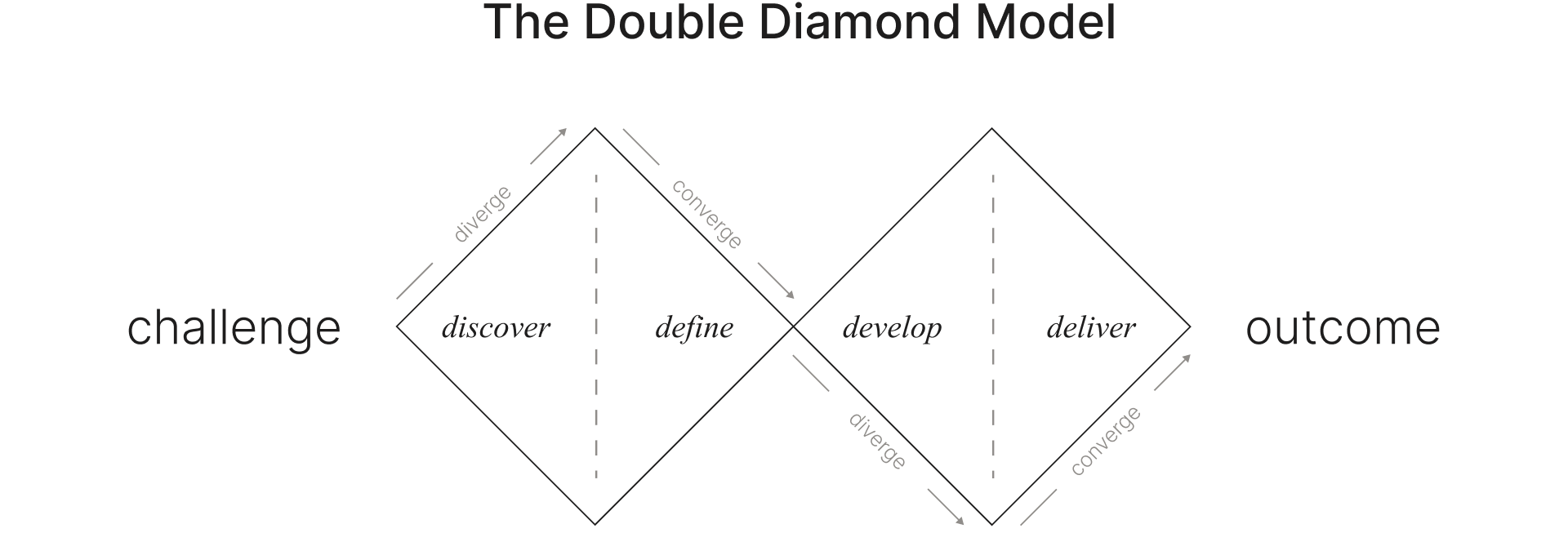
This project followed a Double Diamond structure, focusing on understanding the system before proposing or documenting solutions.
Discover
Understanding the full ecosystem, user behavior, and operational constraints.
Define
Synthesizing insights to frame the core problem around early activation.
Develop
Exploring and structuring solutions through analytical and UX artifacts.
Deliver
Documenting outcomes, learnings, and clear outputs for future iteration.
Double Diamond, Service Design, UX Research & Analysis, Figma, Journey Mapping & Service Blueprinting, Internal product and operational data.
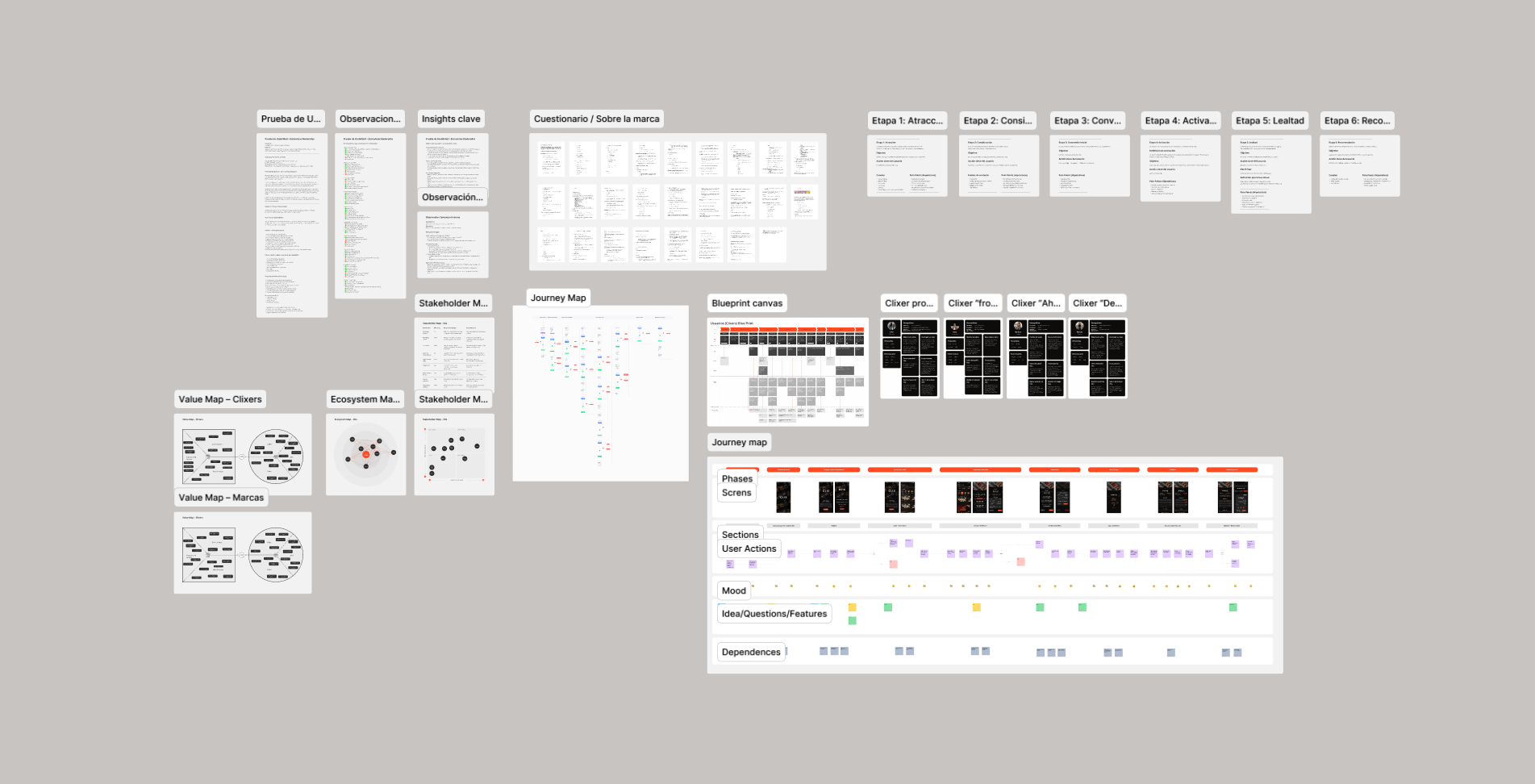
Understand the end-to-end user experience and the service ecosystem before defining problems.
• Journey Mapping
• Service Blueprint
• Ecosystem / Stakeholder Mapping
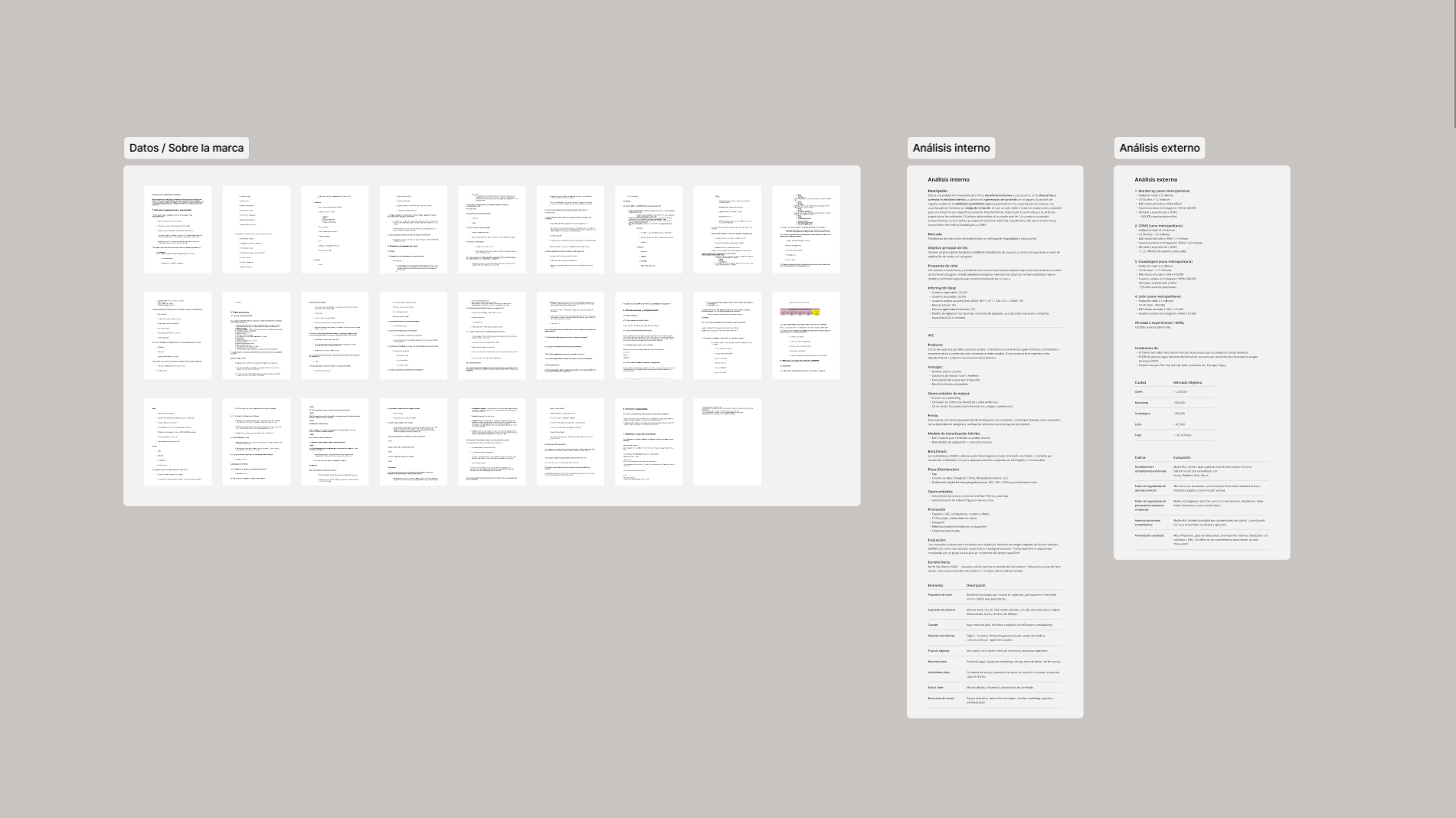
• Internal data review
• Usability Tests and Validations
• Contextual Osevations
• Value Mapping
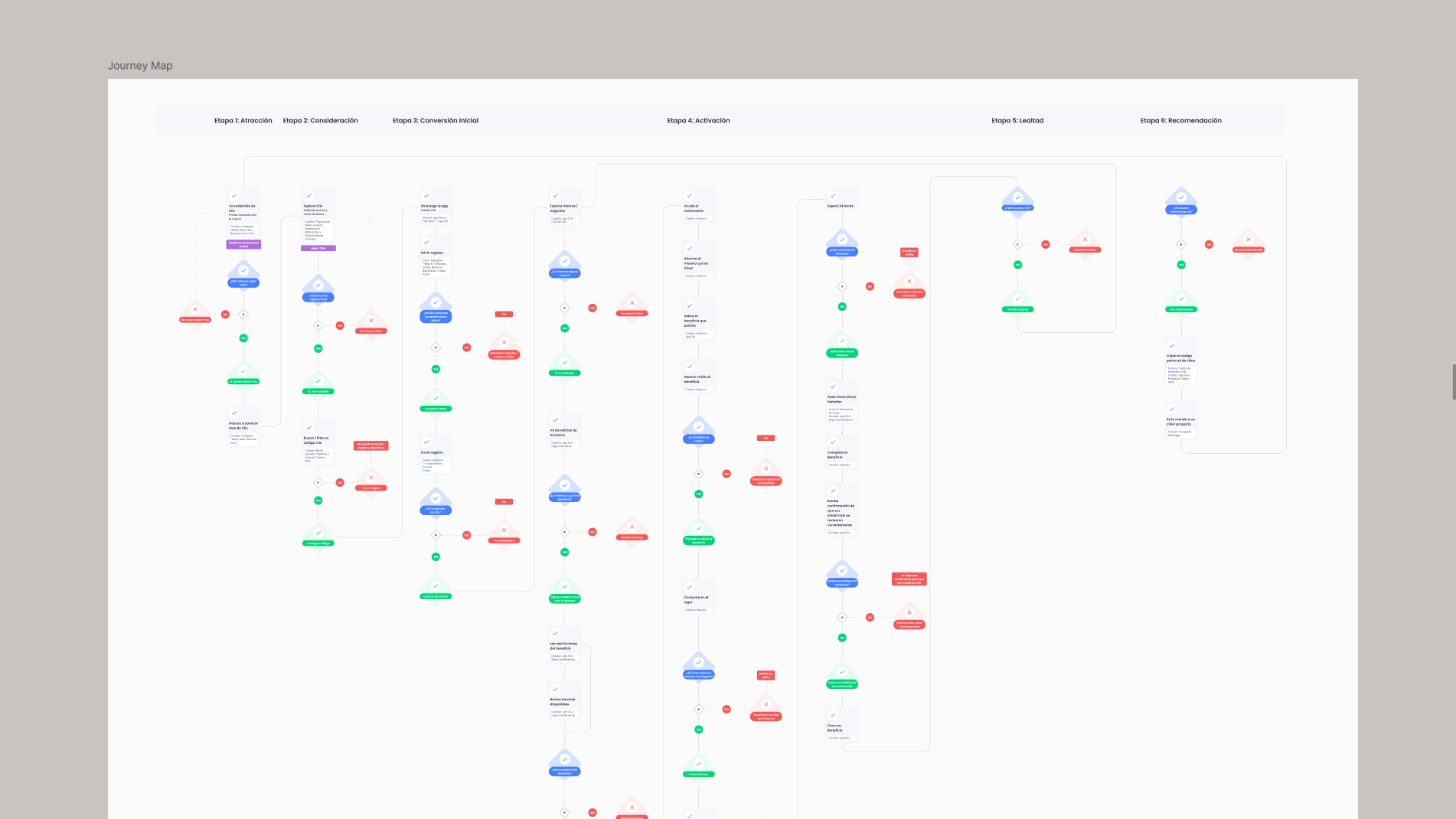
End-to-end journey highlighting hesitation and drop-off before the first successful benefit.
• Most hesitation happens before the first successful benefit
• Users lack clarity around restrictions and expectations
• Confidence drops early in the experience
Turn observations into a clear, shared problem definition.
• Affinity Mapping
• How Might We
• Problem Statement
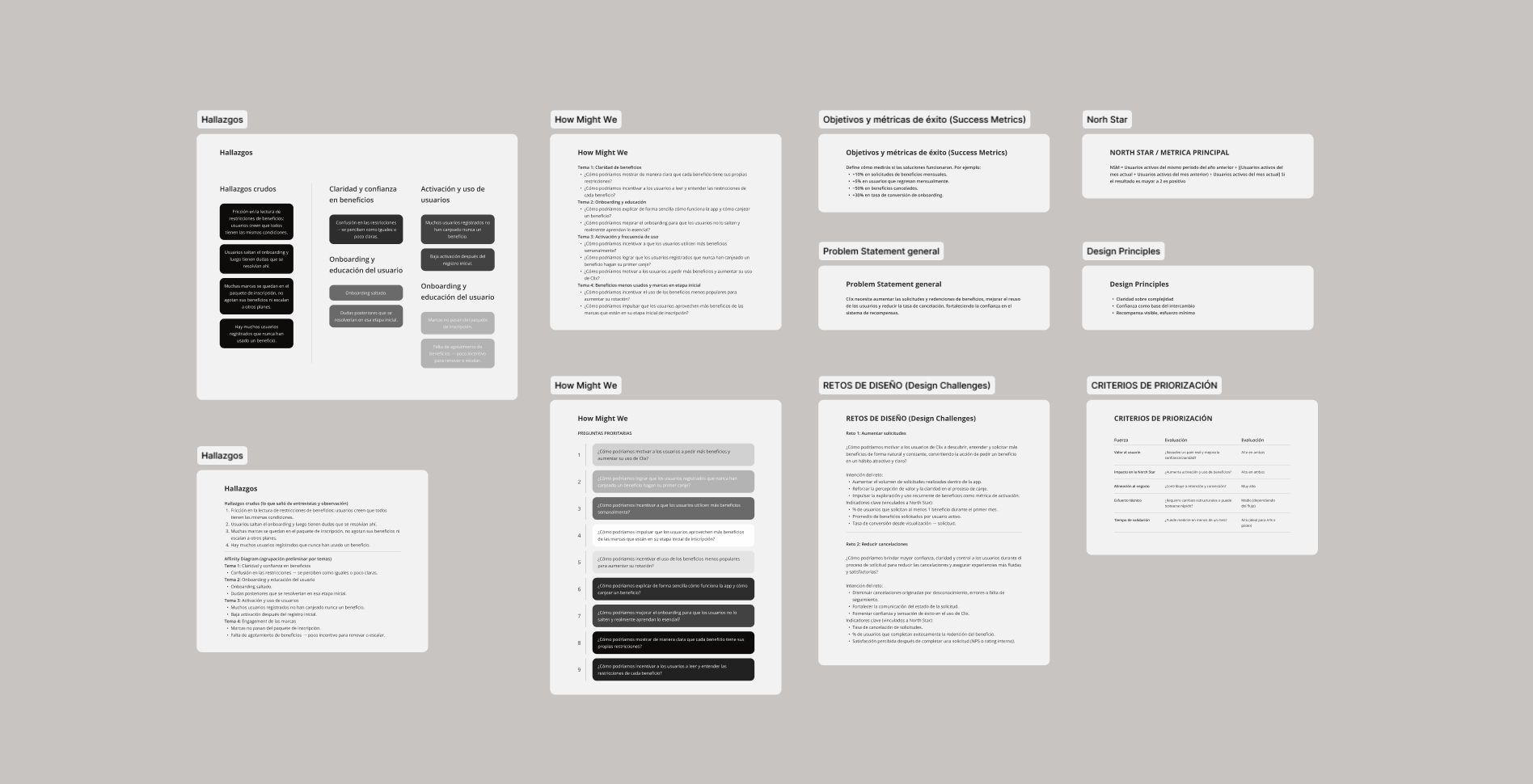
Grouped insights showing recurring patterns.
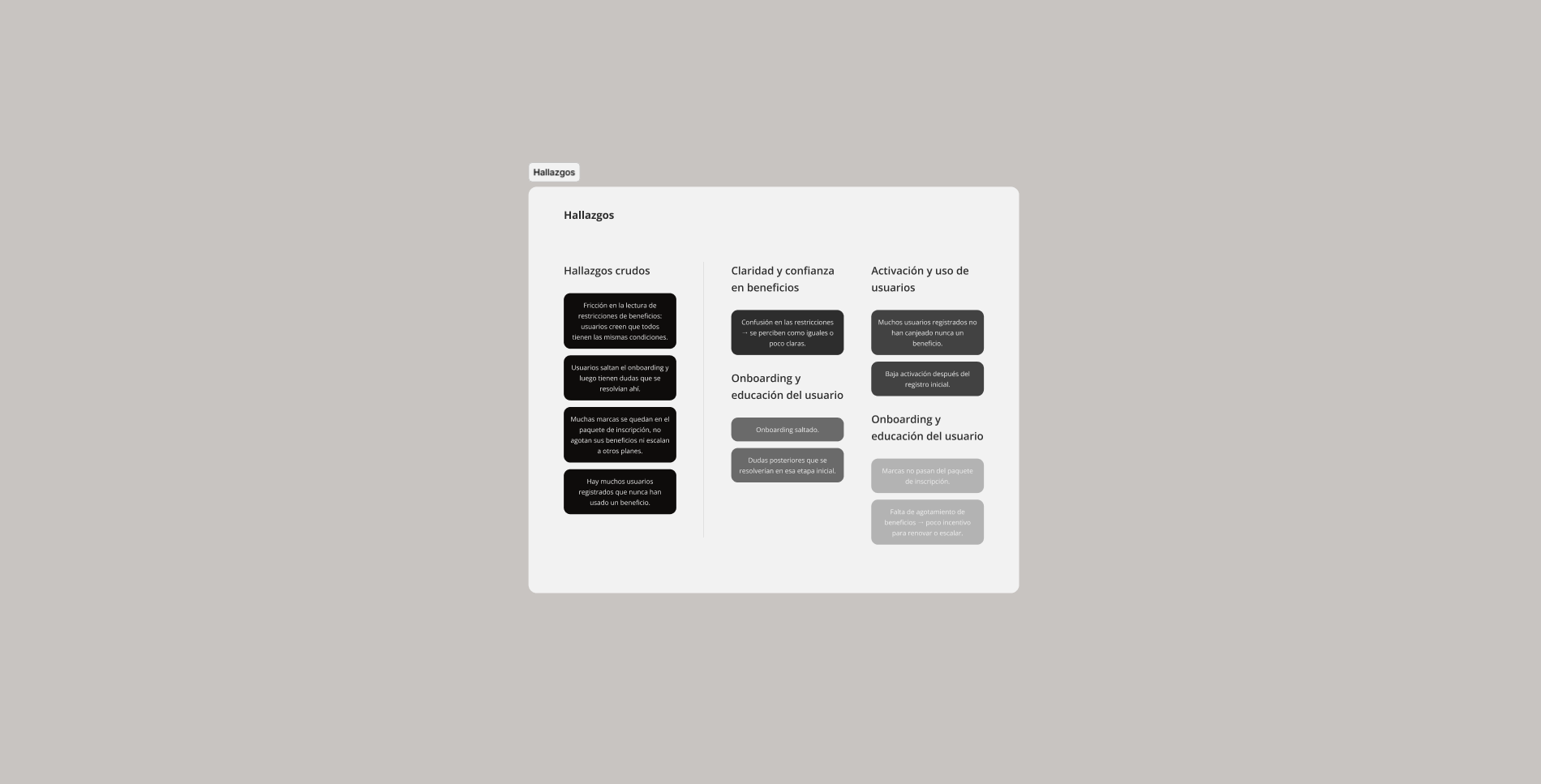
Clix needs to help users confidently reach their first successful benefit by improving early-stage clarity, onboarding, and trust.
Explore where to act and what to improve based on evidence.
• Funnel visualization
• Process diagrams
• UX flow analysis
• Wireframes
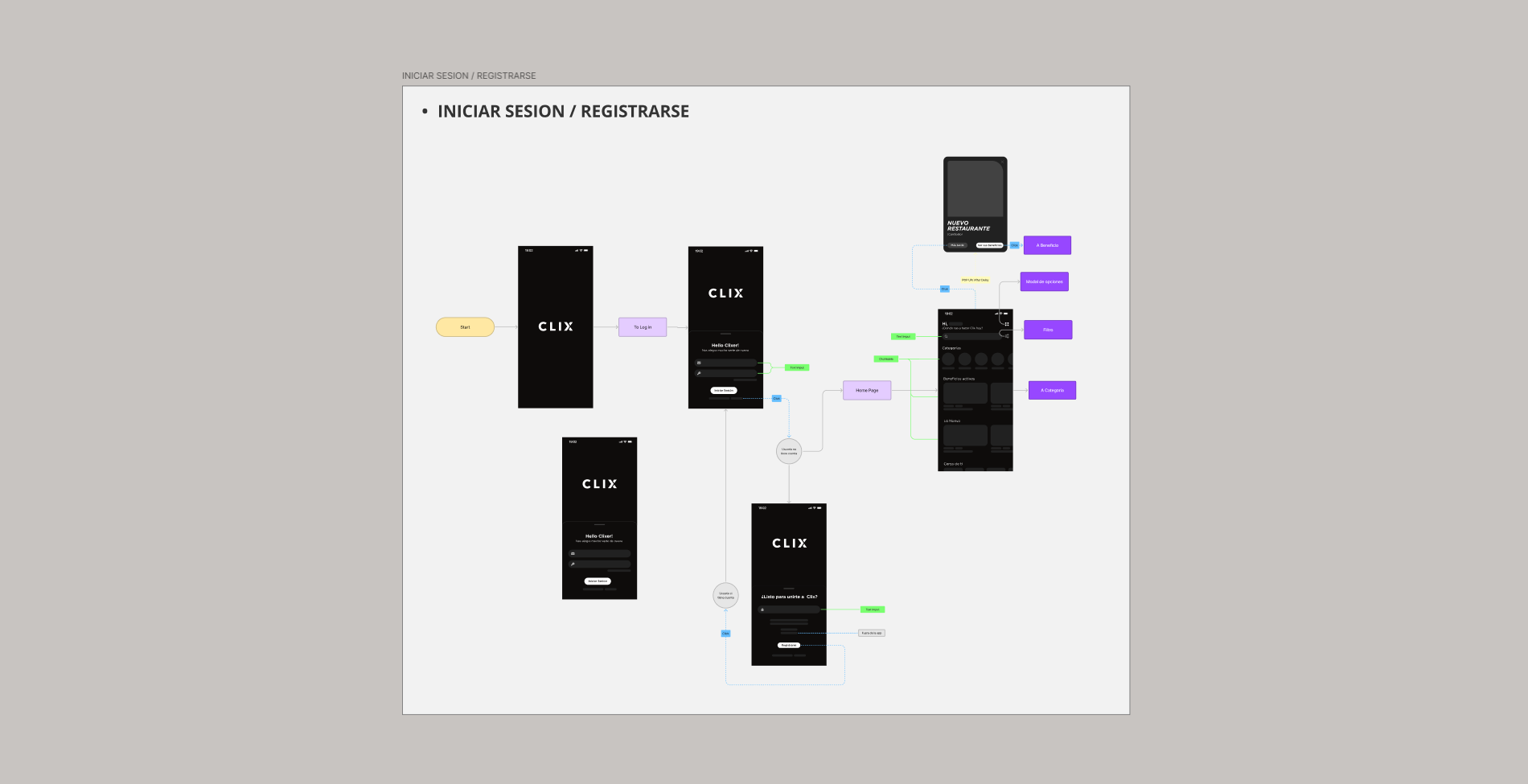
High-level view of user progression and drop-offs.
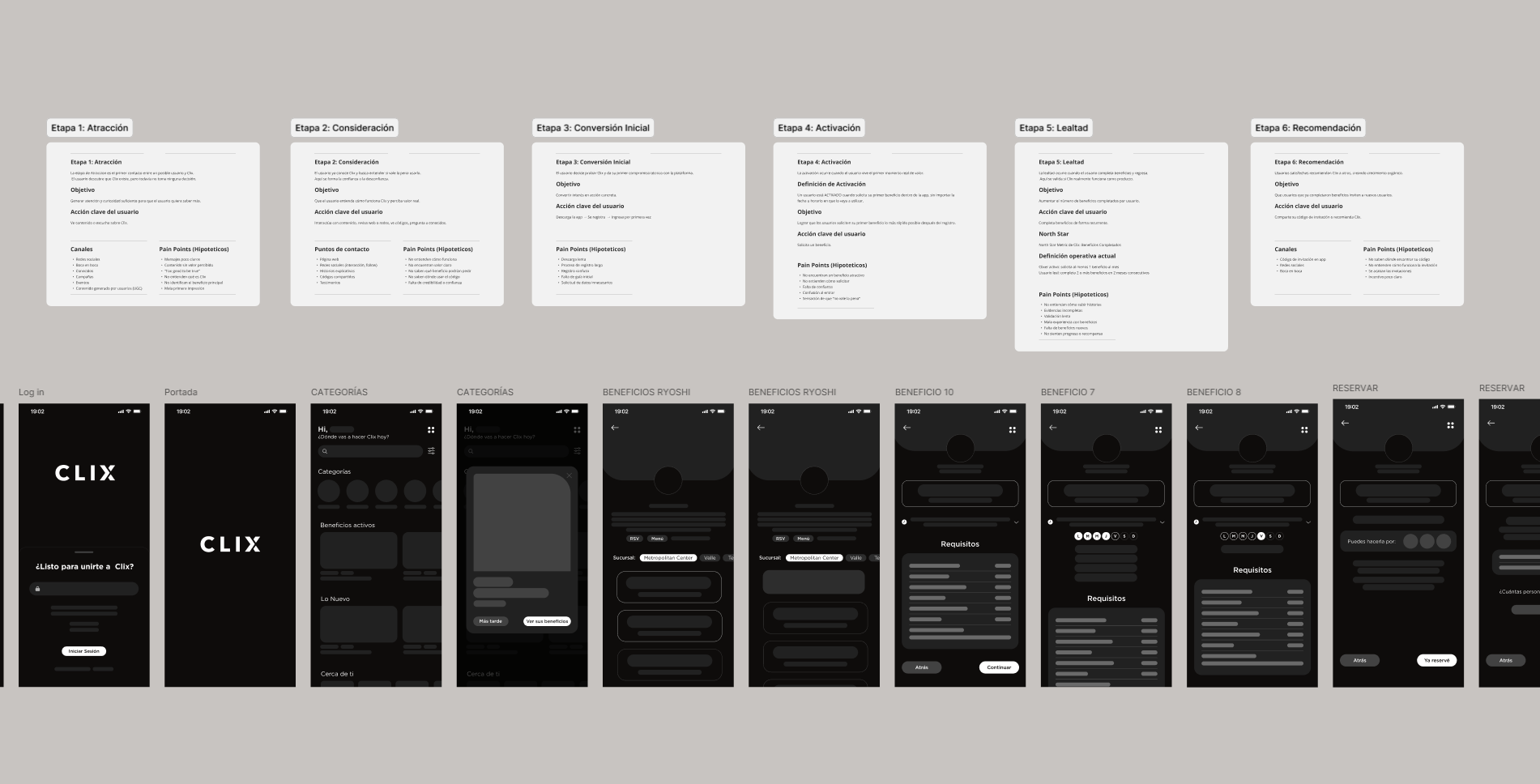
Detailed view of critical steps impacting completion.
• Small frictions early have large downstream impact
• Drop-offs correlate with unclear steps and validation rules
Translate insights into clear, usable artifacts for the team.
• UX/UI flows
• Interface documentation
• Service design artifacts
• Design System
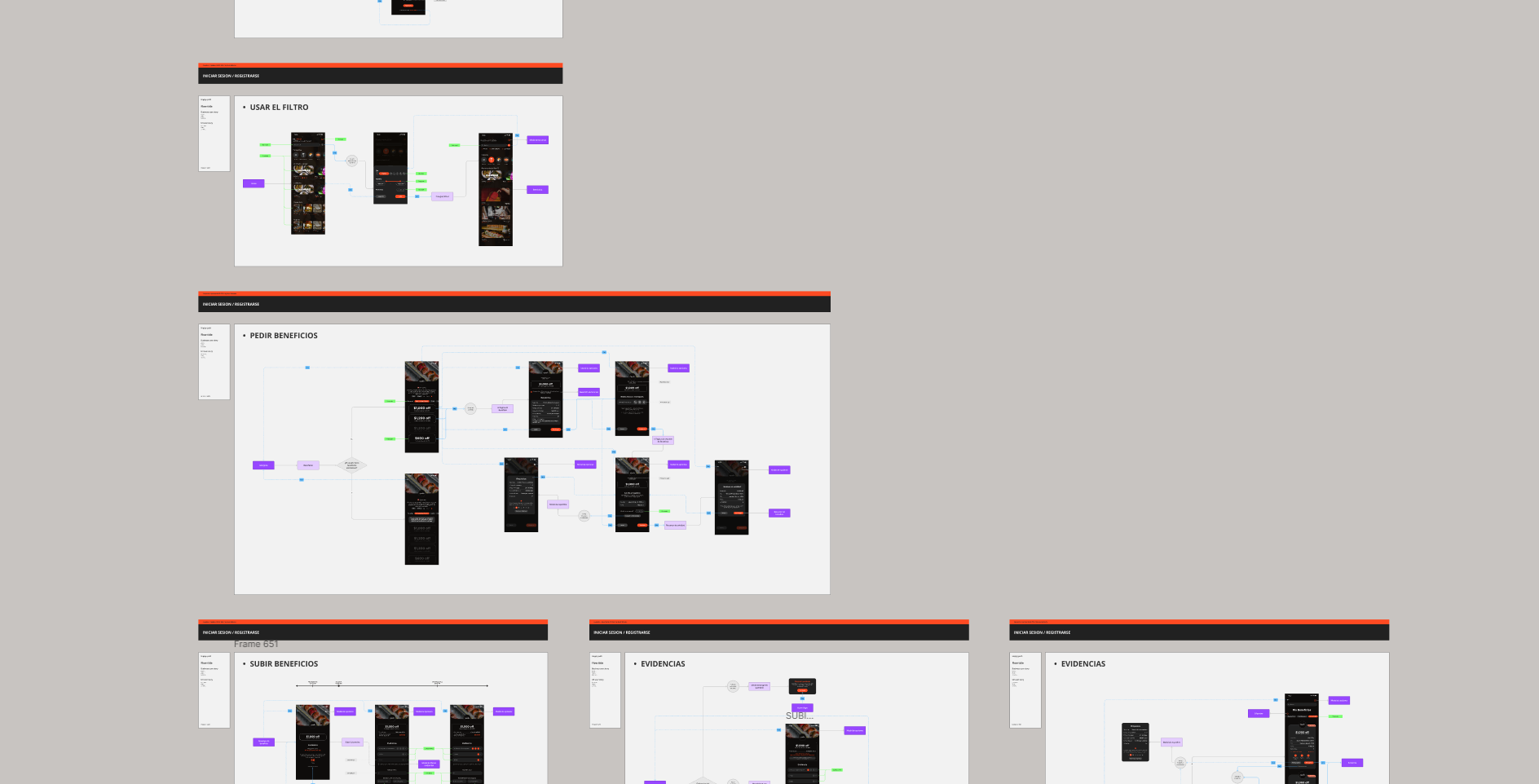
High-level view of user progression and drop-offs.
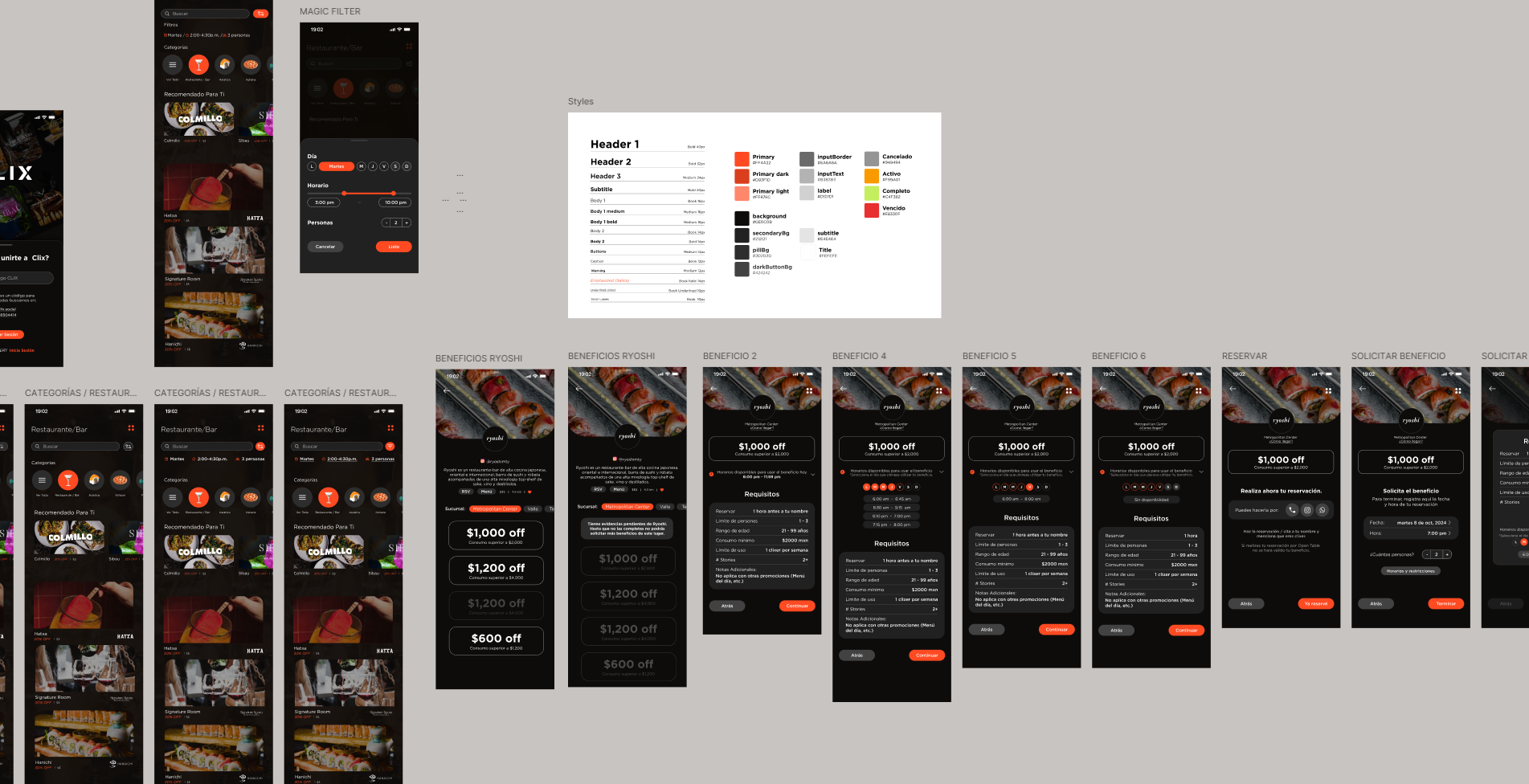
High-impact screens related to confidence and clarity.
• Small frictions early have large downstream impact
• Drop-offs correlate with unclear steps and validation rules
• 10% of accepted users were active at the time of analysis
• Order completion was strong once users committed
• Early-stage friction had a disproportionate impact on continued usage
• Usage was highly concentrated in Monterrey
At the time of the project:
• Funnel conversion rates were incomplete
• Time to first benefit was not tracked
• Retention metrics were unavailable
These limitations were documented rather than estimated.
This work aligned teams around a shared understanding of the user and service experience and created a clear foundation for future improvements.
• Strong execution does not guarantee strong activation
• First experiences define long-term engagement
• UX challenges often originate in service design gaps
• Clarity builds confidence more than incentives